Multimedia-based learning refers to instructional strategies or materials that incorporate more than one format (printed text, audio, video, music, and computerized graphics or animation).
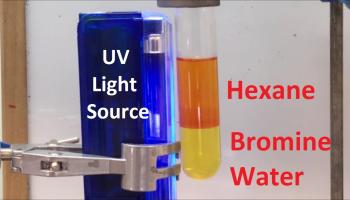
My IB chemistry class is currently working its way through organic chemistry. One of the topics studied is the free-radical mechanism for the halogenation of an alkane.
TV and movie screens today offer us a desperate fight against crazy-fast zombies, a peek into celebrities’ lives where truth is often stranger than fiction, million-dollar game shows, and more. Can portraits of science compete?
On September 2, the American Association of Chemistry Teachers (AACT) launched its official website, loaded with lots of resources and member benefits.
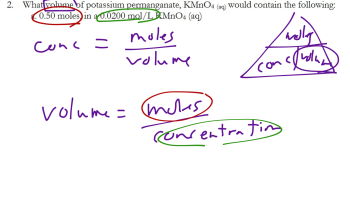
Deanna Cullen wrote about her decision to move forward with a blended model this year and asked for some suggestions about videos. I've been using videos as a teaching tool in my class for the last six years and wanted to share some thoughts.
I am preparing to teach a "blended" chemistry course this fall and I admit that I am a little nervous. Students will be expected to access some of the course material outside of class. It will be very important that students preview materials and complete assignments.
Physics teachers have AAPT, biology teachers have NABT, and starting this fall, chemistry teachers will have AACT. We are happy to announce that the American Association of Chemistry Teachers (AACT) will be accepting charter members starting on Aug. 4 at BCCE in Grand Rapids, Mich.
When the iPad first arrived a few years ago, I avoided purchasing one as I thought it would only be good for accessing content. My needs revolve more around producing content, rather than simply as a consumer. A few months ago after much deliberation I decided to take the plunge.