A proficient understanding of the periodic table is indispensable for students studying chemistry. Chemical properties, bonding, and reactions are routinely explained using the trends and patterns of the periodic table.
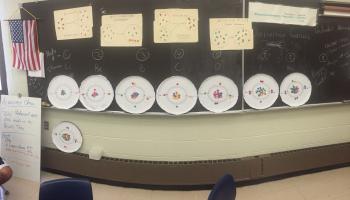
Trends related to placement of elements on the periodic table are often taught using diagrams in a textbook. Students often memorize trends, but to get a true grasp of their meaning and what causes certain patterns is best understood when students create their own models and discuss the patterns with others.
Target Inquiry “is an exciting, 2½-year, rigorous, and transformational professional development program designed to improve the frequency and quality of inquiry instruction in middle and high school science” (GVSU Target Inquiry).
Previously I wrote about taking part in a district-wide high school blended learning pilot. You can read about it here. I received my Chromebook cart near the end of February/beginning of March. A little late but just in time for the periodicity unit I was planning as a blended unit. The following is a breakdown of how I designed the unit.
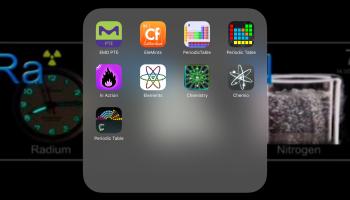
Upon sharing my array of apps with some future chemistry teachers, they asked why so many Periodic Tables? My response was “Well not all periodic tables are the same”, upon which was followed by several blank stares…
Let me explain: I currently have the following periodic table apps loaded on my iPad:
It was Oregonians only (lucky me!) for PBS’s limited release of The Mystery of Matter: Search for the Elements in fall 2014. A national premiere is now at hand—mark your calendar for your local station’s broadcast.