ACCT

Assessing for Change in Chemical Thinking (ACCT) is an NSF-funded, research-practice partnership focused on fostering chemical thinking in middle school, high school, and undergraduate science classrooms using formative assessment strategies. ChemEd X has partnered with ACCT to disseminate the program materials, as it aligns with their mission of making digital chemistry teaching content and resources accessible. We encourage you to explore the ten session professional development series, (including facilitation guides, slides, and resources). In addition, the blog posts on formative assessments and the core program elements are accessible through the ChemEd X platform, free of charge. For inquiries, please contact ACCT at ACCTProject@umb.edu

Our collection here on ChemEd X includes:

Resources for doing formative assessment in the classroom

Studying how teachers enact formative assessment

Analyzing how students use chemical thinking

Information about our group

Relevant publications

Together with ChemEd X, we strive to empower teachers of chemistry to Xplore, Xtend, and Xperience.

ACCT
// Friday, February 26, 2021 ACCT Admin
Assessing for Change in Chemical Thinking has created materials for chemistry teachers nationwide to use for professional development in your schools, districts, and professional organizations.
// Tuesday, December 22, 2020 ACCT Admin
This 3 hour session provides an introduction to the Assessing for Change in Chemical Thinking (ACCT) professional development series. Session 1 provides an overview of the three program components that drive ACCT sessions: The Chemical Thinking Model, the Formative Assessment Enactment Model and Teaching Dilemmas.
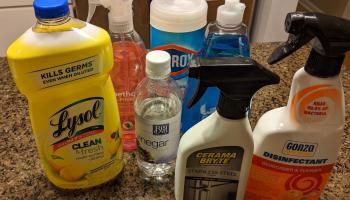
assorted containers of household cleaning products
// Wednesday, August 12, 2020 ACCT Admin
In “Comparing household chemicals” students discover the effects of using different types of household chemicals and determine if they are really all so different. This formative assessment targets the question “What are the effects of using and producing different matter types?” This is important because students should understand the types of pro
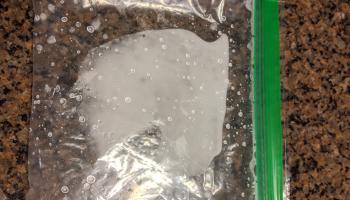
clear plastic sandwich bag with white powder inside
// Wednesday, August 12, 2020 ACCT Admin
In the “Airbag challenge” the students are tasked with developing a safe airbag for a car company. This formative assessment explores students’ thinking about the question “How can chemical changes be controlled?” The central concept in this challenge is the application is stoichiometry.
salt vs. sugar
// Wednesday, August 12, 2020 ACCT Admin
This formative assessment looks at two household chemicals (table salt and sugar) and compares their properties while looking at how they dissolve in water. The “Salt vs.
clear glass bottle labeled as "vinegar"
// Wednesday, August 12, 2020 ACCT Admin
In “How strong an acid is vinegar?” the students explore the nonlinear relationship between the concentration of a weak acid and the pH of the solution.
clear glass cup half full of milk & two chili peppers next to it
// Wednesday, August 12, 2020 ACCT Admin
This formative assessment was designed to target students’ thinking around the structure-property relationships in an accessible, real-world context. This is done through targeting noncovalent interactions. The understanding of this topic is critical for students’ reasoning about observable properties of matter.