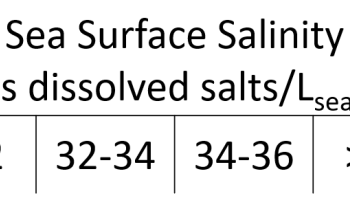
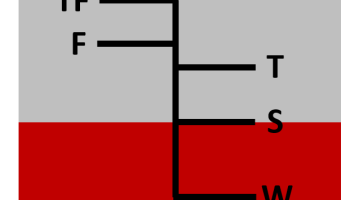
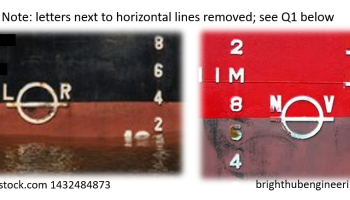
This is the fourth blog post in this series dealing with seawater chemistry and global maritime trade. In this classroom activity students predict the buoyancy (and hence stability) of a merchant cargo ship based on interpretation of seawater surface salinity values.
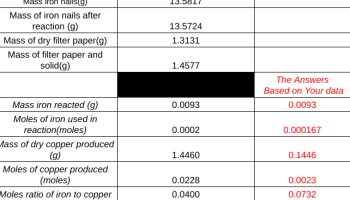
At the end of our unit on chemical bonding, I wanted to provide an opportunity for students to apply the various topics from the unit into one culminating lab that was practical to execute and challenged their current understanding of the material.
Thermochemistry is an interesting unit to discuss with chemistry teachers, as the depth at which different teachers cover it seems to vary widely. Some teachers cover the topic in much greater depth than I do.
Our ChemEd X team is looking for feedback from readers like you to assist in planning future content and professional development for our ChemEd X community. Our goal is to provide you with meaningful and quality content that best fits your needs. We hope you will be willing to complete the short survey we have prepared. We appreciate your time!
Chad Husting is a self proclaimed science nerd who loves helping kids figure things out. He is a veteran high school teacher with a classroom in Ohio where he teaches honors and academic chemistry. He has been a Lead Contributor for ChemEd X since 2017.
The first blog post of this seawater-oceanic shipping series deals with an introductory classroom activity that challenges students to predict how the composition and temperature of seawater influences a ship's buoyancy.
The global COVID-19 pandemic, year-round wildfires in the western US, destructive flooding in the eastern half of the US, prolonged and oppressive heat waves, another below average year for mountain snow packs in the Rocky and Sierra Nevada ranges– it is hard to not be aware of these events that affect many of our students and ourselves a
Maritime shipping is the backbone of global commerce and trade. In 2020 a mind-boggling 1.9 billion metric tons (4,188,782,981,513 pounds) of cargo criss-crossed Earth's largest geographical features- the expansive, featureless oceans and seas (1).
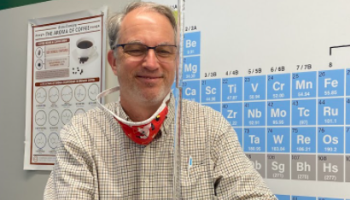
Dean Campbell became a Lead Contributor for ChemEd X in 2021. With the hope of helping readers get to know him better, we asked Dean a series of questions. Check out his responses including a video showing his favorite demonstration.
Tell us about yourself.
There are many books that I wish I had read earlier in my career. At the top of the list is Make it Stick. The book is filled with research-based recommendations to improve the effectiveness of learning. I would like to share with you some ideas about how these recommendations might apply specifically to the teaching of chemistry.