Science Practice: Analyzing and Interpreting Data

Analyzing data in 9–12 builds on K–8 and progresses to introducing more detailed statistical analysis, the comparison of data sets for consistency, and the use of models to generate and analyze data.

Summary

Analyzing data in 9–12 builds on K–8 and progresses to introducing more detailed statistical analysis, the comparison of data sets for consistency, and the use of models to generate and analyze data. Analyze data using tools, technologies, and/or models (e.g., computational, mathematical) in order to make valid and reliable scientific claims or determine an optimal design solution.

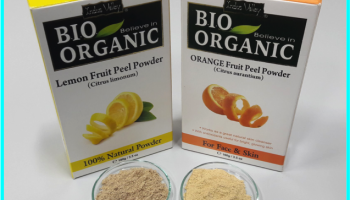
boxes of lemon and orange peel powder
// Monday, April 15, 2019 Andrea Amato
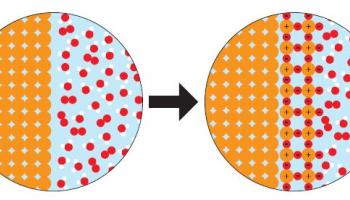
In this article, I would like to introduce a procedure which involves the removal of copper from a solution through a process known as biosorption. I covered something similar in a previous ChemEd X blog1, but in this article I will be running the experiment by using a different analytical method.
Cool Earth, Hot Earth
// Tuesday, March 26, 2019 Tom Kuntzleman
With Earth Day approaching, you might want to try out the experiment published in the Journal of Chemical Education.1 It outlines a fantastic way to demonstrate the warming influence that atmospheric CO2 has on our planet. I followed the procedure and offer a video of the results.2
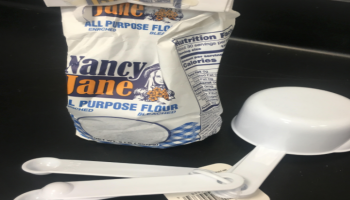
measuring utensils and flour
// Thursday, February 7, 2019 Lauren Stewart
As I planned for my mole unit this year, I thought about how fundamental the mole concept is for stoichiometry and brainstormed ways to really make it stick. I usually do a lab practicum at the end of every unit. I have shared about my Lab Practicums in Chemistry before.
Diet Coke and Mentos eruption
// Tuesday, May 9, 2017 Tom Kuntzleman
I first saw the Diet Coke and Mentos experiment during a science fair at an elementary school in 2005, and I was instantly hooked! To perform this experiment, Mentos candies are dropped into a bottle of carbonated beverage; Diet Coke tends to be the beverage of choice. In the video below you can see this experiment play out in slow motion.
Concentration vs Rate of Reaction
// Tuesday, January 24, 2017 Ben Meacham
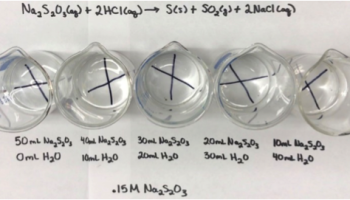
Whether you are introducing collision theory or something more demanding like reaction order, the reaction between sodium thiosulfate—Na2S2O3 and hydrochloric acid can provide a consistent, accurate, and engaging opportunity for investigating these topics.
Balloon in a Bottle
// Tuesday, June 21, 2016 LowellThomson
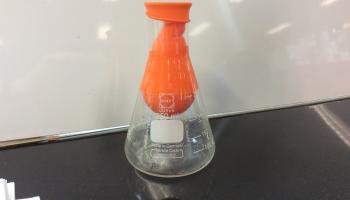
Inspired by Tom Kuntzleman*, I started using mysteries in my chemistry curriculum this past year. The first mystery I shared with my students was burning water. While my magician skills aren't perfect, I was able to get the students asking questions and proposing hypotheses.