I have been teaching AP Chemistry for 13 years and every year I have multiple weeks of instruction following the AP Chemistry Exam. I have tried many different ideas for instruction during those weeks. In years past I have taught introduction to organic chemistry and/or nuclear chemistry.
Like a lot of folks (including students), I love brownies. My teaching style and objectives emphasize the applications of chemistry learned in lecture to everyday consumer products familiar to students.
Students often are so confused that they cannot formulate a question. This is not bad, but is a good starting point in their learning. Getting such a student to talk through a problem, to the best of their abilities, typically causes them to stumble through their words. This is great.
The first time I taught an Honors chemistry class, I noticed there was one additional topic in our unit on gases that differed from our General chem and Concepts chem classes: ideal vs. real gas behavior.
Why I Started Flipping
As a flipped classroom teacher for almost a decade, I have gone through many major shifts in my teaching philosophies and it has changes the way I have delivered my videos.
Good day, gentle readers:
Back in the day, and I’m talking, like, over 40 years ago, I had the good fortune to be invited, in spite of my lackluster performance in Organic Chemistry, to work as a summer student in Professor Tom Tidwell’s lab at the University of Toronto.
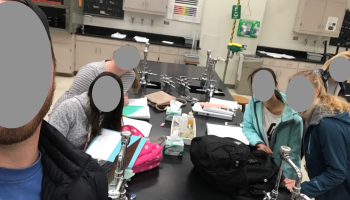
As teachers, we are likely all trying to build a healthy learning community within our classrooms. And as teachers, we additionally encourage students to form chemistry study groups. I also want students to have a sense of belonging within the chemistry class and laboratory.
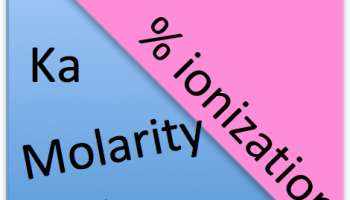
After teaching the concepts and calculations for acid and base strength, concentration, percent ionization, and pH I noticed many of my students were struggling to make meaningful connections between these calculations.