General Chemistry

Does ATP Provide Energy?

When using standard thermodynamic values, the chemical reaction whereby ATP is converted to ADP is found to have a positive value for ΔG. This would imply the reaction REQUIRES energy. However, analyzing the process under physiological conditions shows that ΔG is in fact negative, as expected.

Bookend Activities to Highlight Chemistry as the Central Science

General chemistry is often perceived as a gatekeeping course for STEM students, particularly in large-enrollment settings. To enhance student engagement and understanding, this study introduces two "bookend" activities—one at the beginning and one at the end of the semester—designed to connect chemistry concepts with students’ interests and career goals.

The first activity, conducted during the first week, prompts students to explore chemistry subfields and career paths via the American Chemical Society (ACS) website, helping them see chemistry’s relevance to their own aspirations. The second activity, due before the final exam, requires students to analyze a chemistry-related news article, linking course concepts to real-world applications. Both assignments promote active learning, a sense of belonging, and an appreciation for chemistry’s role in various fields.

Implemented in large lecture courses, these activities have been well received, fostering engagement and personal connections to chemistry. This approach offers an adaptable model for integrating real-world relevance into general chemistry curricula, potentially improving student buy-in and academic persistence.

Expanding on Self-Inflating Balloons: Activities Involving Moles, Gas Laws, and Thermochemistry

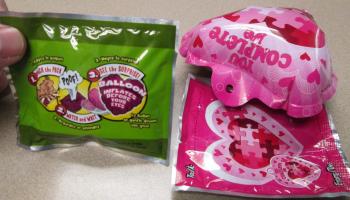
Balloons that inflate using carbon dioxide produced from the reaction of citric acid and sodium hydrogen carbonate can be used to demonstrate a number of aspects of chemistry. Gas laws were used with the balloons to illustrate limiting reactants, molar mass of gases, and rockets. The endothermic reaction in the balloon was visualized with an infrared camera, and the Green Chemistry aspects of these balloons were considered.

Food Dyes as Acid-Base Indicators

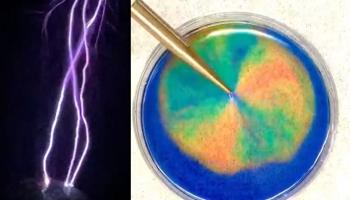
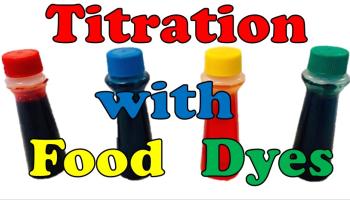
Natural food dyes are being sold online and in stores that can be used as acid-base indicators. These dyes open up a host of possibilities for at-home and in-class. For example, these food dyes can be used as indicators in the quantitative titration of the Mg(OH)2 in milk of magnesia.