By Tom Kuntzleman, Tori Talaski, and Quincy Banini
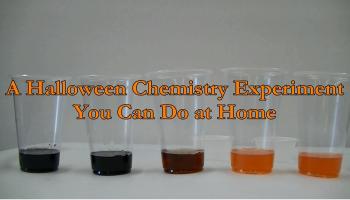
Want a great experiment to have your students perform during the Halloween Season? Try this one that involves an orange to black color change:
When I was a novice modeler I was constantly searching for quality online video resources to share with my students. I quickly discovered that YouTube was rife with explanatory science videos, but I had a hard time finding ones that fit with my classroom culture.
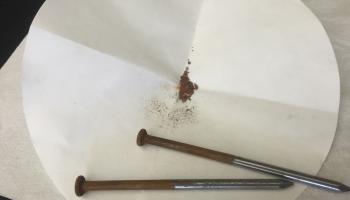
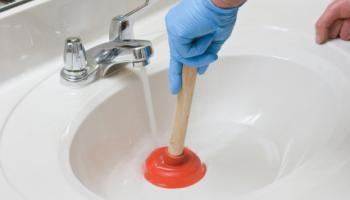
In May, my wife and I bought our first house. It’s a charming 1970s ranch that was in good shape and not a fixer upper; however, there have been a good amount of maintenance projects on the to-do list.
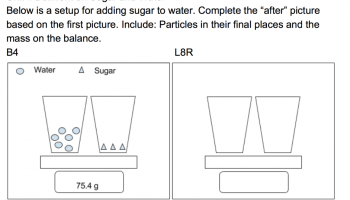
This is my first year of using Modeling InstructionTM in my chemistry classes. During a fit of productivity, I created some bell ringers for unit one, which is partly about conservation of mass. I hope you will find them useful.
Most chemical educators will agree that exciting demonstrations are excellent motivators to create interest in science. They are also a way to create interest in the community, motivate the student-demonstrators, and perhaps to make a little money to support special activities of an ACS Chem Club.
“I wish I knew then what I know now.” How often do you reflect on your first year of teaching? When I run into a student from my first few years, I catch myself hiding behind a clothes rack or ducking down the frozen food aisle. I’m embarrassed.
Recently, I saw this really funny meme on facebook about the creative process. I think it also sums up designing and sustaining students in long term inquiry:
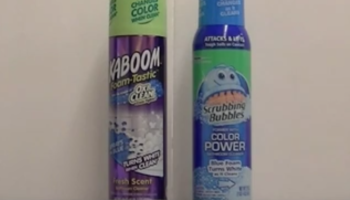
The blue to white color change that occurs in the foam of Scrubbing Bubbles or KABOOM Brand cleaners has always fascinated me. Many times I have wondered how this color change takes place.