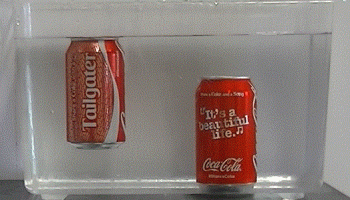
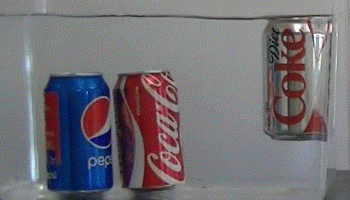
In Chemical Mystery #7, a can of Coca-Cola was observed to sink in one container of water and yet float in another! This trick made use of the fact that the density of water changes with temperature. See the video below.
Throughout the last ten years teaching both chemistry and Advanced Placement Chemistry I have realized that the concept of equilibrium does not receive enough attention in my first-year chemistry course.
In the June 6th, 2016 Chemical and Engineering News magazine put out by the American Chemical Society, C&EN talks with Deborah Blum, journalist and author: From the article’s description, ‘The Poisoner’s Handb
Inspired by Tom Kuntzleman*, I started using mysteries in my chemistry curriculum this past year. The first mystery I shared with my students was burning water. While my magician skills aren't perfect, I was able to get the students asking questions and proposing hypotheses.
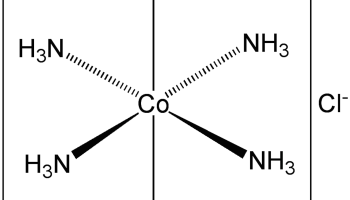
I published an article about an independent study unit I use with my AP Chemistry class two years ago, A guided group inquiry lesson on coordination compounds and complex ions.
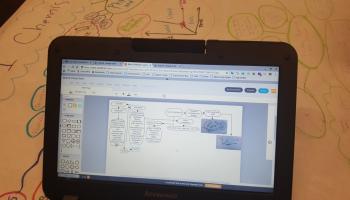
It's been a few days since my summer break began. I have had a few days to decompress, relax, and think about my next post. I have been planning to write about concept mapping since the end of our first semester.
How did someone figure that out? Can you explain to me why this happens? No matter the topic, individuals are always seeking information as they look to explain complex objects and theories.
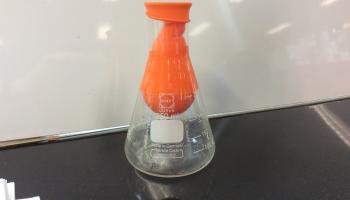
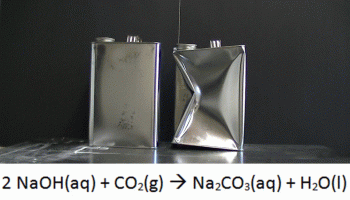
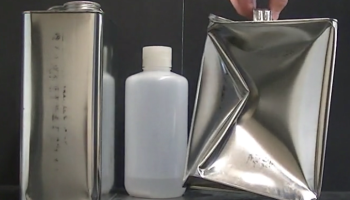
In Chemical Mystery #6, I used chemistry to crush a metal can. To do so, concentrated sodium hydroxide solution (about 35% NaOH by weight) was added to a can that was almost completely filled with carbon dioxide gas. The can was then sealed. The carbon dioxide gas in the can reacted with the added sodium hydroxide: